Compare Local Contractors for Basement Wall Waterproofing Success
Compare local contractors for basement wall waterproofing to define project scope, verify experience, and establish clear expectations for a successful repair.
Basement wall waterproofing involves a variety of services aimed at preventing water intrusion and managing moisture within basement structures. Typical work may include applying sealants or coatings to prevent leaks, installing drainage systems such as interior or exterior weeping tiles, and addressing cracks or structural vulnerabilities that could allow water to penetrate. Proper waterproofing not only helps protect the foundation but also promotes a healthier indoor environment by reducing excess humidity and mold growth. Understanding the scope of these services is essential for property owners to ensure that all potential entry points for water are addressed effectively.
Clearly defining the scope of waterproofing work is a critical step in the process of selecting a contractor. A well-documented scope helps establish expectations, clarifies what services are included, and provides a basis for evaluating different proposals. It can cover aspects such as the areas to be treated, the methods or materials to be used, and any preparatory work needed before waterproofing can begin. Having this information in writing helps prevent misunderstandings and ensures that both property owners and contractors are aligned on project goals and deliverables.
When comparing local contractors for basement wall waterproofing, property owners should consider experience, reputation, and the range of services offered. Gathering details about each service provider’s background helps verify their familiarity with the specific waterproofing needs of the local area, which can vary based on climate and soil conditions. It is also useful to review references or previous work, ask for detailed written proposals, and ensure that scope, responsibilities, and expectations are clearly outlined. This approach supports an informed decision-making process, making it easier to identify service providers who are capable of delivering quality work tailored to the property’s specific requirements.
Compare local contractors by outlining project priorities, verifying experience, and setting clear written expectations.
- Compare Contractor Experience - Review each service provider’s background to ensure relevant experience with basement wall waterproofing.
- Define Project Scope Clearly - Establish detailed work expectations and requirements before selecting a contractor.
- Verify Credentials and References - Check references and past work to assess the quality and reliability of local contractors.
- Document Agreements in Writing - Ensure all project details, scope, and expectations are confirmed through written agreements.
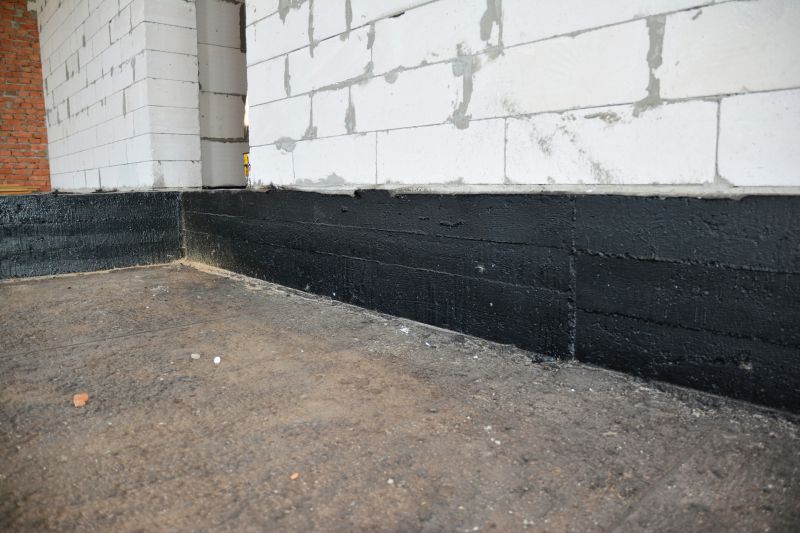
Before comparing options, clearly describe your basement wall waterproofing project to help local contractors understand your needs and set clear expectations.
- Inspect for existing cracks, holes, or damage that may require repair before waterproofing begins. - Ensure that the scope of work is clearly defined and documented in the contract to avoid misunderstandings.
- Verify the experience of the service providers with basement wall waterproofing projects similar in scope and complexity. - Look for contractors who can provide references or examples of past work to assess quality and reliability.
- Discuss the methods and materials that will be used to waterproof the basement walls to ensure they meet project requirements. - Confirm that the scope includes preparation, application, and any necessary surface repairs for effective waterproofing.
- Check that the contract specifies the warranty or guarantee offered on the waterproofing work and materials used. - Clarify expectations around what is covered and the process for addressing potential issues post-installation.
- Assess the contractor’s approach to addressing existing moisture issues, such as drainage or ventilation improvements. - Ensure that the scope accounts for any necessary repairs or modifications to prevent future water intrusion.
- Compare multiple service providers to evaluate their proposals, scope of work, and experience to find the best match for the project. - Use detailed written estimates to compare services and set clear expectations for the waterproofing process.
Use this to compare local contractors, clarify scope, verify experience, and set clear expectations in writing.

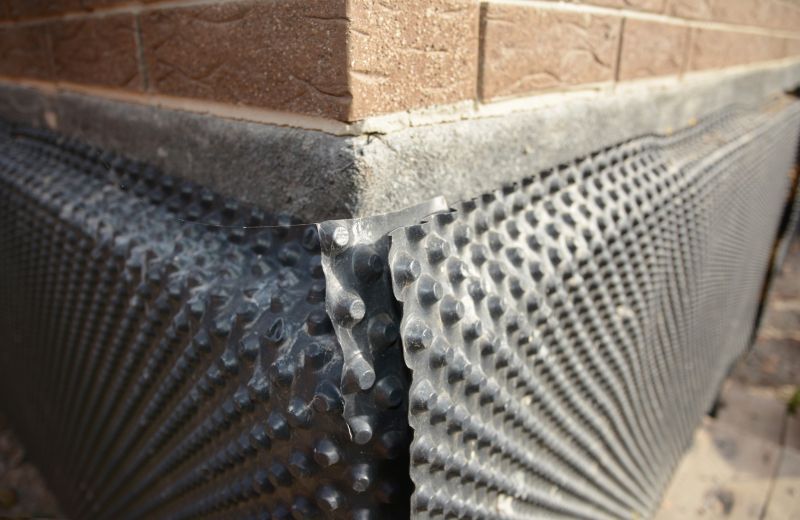

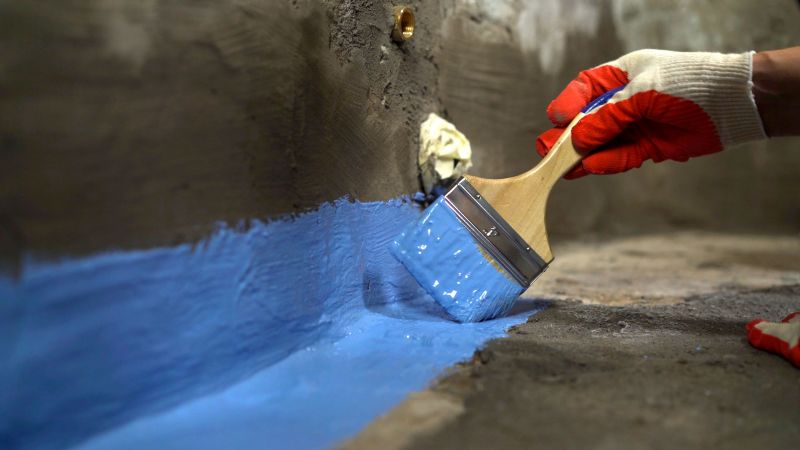
Learn how to compare basement wall waterproofing contractors, define project scope, verify experience, and set clear expectations in writing.
- Scope Definition - Clearly outline the specific waterproofing measures required for basement walls, including surface preparation, sealing methods, and drainage considerations.
- Material Specification - Identify the types of waterproofing materials and products to be used, ensuring compatibility with existing structures and environmental conditions.
- Work Boundaries - Establish the exact areas of the basement walls to be addressed, including any necessary repairs or surface modifications before waterproofing.
- Performance Expectations - Define the desired outcomes for waterproofing effectiveness, such as moisture resistance levels and durability standards.
- Documentation and Agreements - Ensure all scope details are documented in written agreements to facilitate clear understanding and accountability with local contractors.
When evaluating contractors for basement wall waterproofing, it is important to consider their experience with similar projects. A knowledgeable service provider will have a track record of handling basement waterproofing tasks comparable to the scope of the work needed. Asking about previous projects can provide insight into their familiarity with common challenges and effective solutions, helping to determine whether a contractor has the practical background to manage your specific requirements.
A clear, written scope of work is essential when comparing contractors. This document should outline the specific tasks to be performed, materials to be used, and any additional services included in the project. Having a detailed scope helps prevent misunderstandings and ensures that both parties have aligned expectations. When reviewing proposals, look for contractors who provide comprehensive descriptions of their planned approach, as this indicates professionalism and a thorough understanding of the job.
Verification of a contractor’s experience can be supported by requesting references or examples of completed projects. Contactting previous clients or inspecting past work can reveal the quality of craftsmanship and reliability of the service provider. Additionally, asking about the methods and materials used during past projects can help verify that the contractor’s expertise aligns with the needs of your basement waterproofing project.
When comparing options, focus on how each contractor presents their approach and scope in writing. A well-structured proposal that clearly explains the work, materials, and procedures provides a solid basis for evaluation. It is also helpful to inquire about their process for addressing unforeseen issues or changes during the project, ensuring that expectations are managed throughout the job. This approach allows homeowners to make informed decisions based on the professionalism and clarity demonstrated by each service provider.
Request written scope and details from service providers to ensure clear expectations and consistent project understanding.
- Experience and References - How can I verify the experience and past work of local contractors specializing in basement wall waterproofing?
- Scope of Work - What specific services and methods do different contractors include when waterproofing basement walls?
- Warranty and Guarantees - Do contractors provide written warranties or guarantees for their waterproofing work, and what do they cover?
- Materials and Techniques - What materials and waterproofing techniques do local service providers typically use, and how do they compare?
- Scope Clarification - How can I ensure that the scope of waterproofing services is clearly defined and agreed upon in writing before work begins?
How can I compare contractors for basement wall waterproofing? It's helpful to review their experience, verify references, and ensure they clearly define the scope of work in writing to make an informed comparison.
What should I look for when defining the scope of waterproofing services? Clearly outline the areas to be waterproofed, the methods to be used, and any specific concerns to ensure the contractor understands and agrees on the project details.
How do I verify the experience of a basement waterproofing contractor? Ask for details about their past projects, request references, and check how long they have been providing waterproofing services in your area.
Why is it important to have the scope of work in writing? Having a written scope helps prevent misunderstandings, sets clear expectations, and provides a reference for the work to be completed.
What questions should I ask a contractor during the selection process? Inquire about their experience with similar projects, the waterproofing techniques they use, and how they handle potential issues that may arise during the work.
How can I ensure a contractor is a reliable choice for waterproofing basement walls? Review their credentials, verify references, and compare their scope of work and experience to find a professional who aligns with project needs.
Understanding the importance of choosing the right contractor for basement wall waterproofing is key to ensuring the job meets expectations. Visitors have learned how to define the scope of work clearly, verify the experience of service providers, and set expectations in writing to facilitate a smooth process. Comparing options among local contractors can help identify those best suited to handle the specific needs of a basement waterproofing project.
To explore and compare local service providers, using the quote form is a practical step. It allows for gathering information about available contractors, helping to make informed decisions based on their offerings and experience. Connecting with qualified local contractors through this method can support the process of finding the right professional for the job.